Tea Tree Oil for Ingrown Hair: How It Works, How To Use It, & Alternatives
Table Of Content

The primary cause of this condition is the overproduction of Malassezia yeast, a type of fungus that is normally found on the skin’s surface. Successful treatment involves antifungal agents in the form of topical creams and shampoos. This oil can be purchased in its pure form or diluted, and is an added active ingredient in personal care products such as cleansers, toners, serums, moisturizers, shampoos and conditioners. Tea tree oil should only be used topically, as it can be toxic when swallowed.
Amazing Benefits of Onion Juice for Hair Loss
People with coarse, curly hair are the most susceptible to developing this condition. This is because this type of hair is more likely to curve inward as it grows, and is more able to pierce the skin. Men of African, Middle Eastern, Hispanic and Asian descent have this type of hair and are therefore more at risk. Textured Hair Specialist with a vast amount of experience delivering education both nationally and internationally. A self-confessed product junkie committed to spreading her wealth of knowledge amongst the curly hair community and beyond.
Soothe Scalp Irritation and Inflammation
For these reasons, manufacturers tend to bottle essential oils in dark containers with tightly sealed caps. Some research has suggested tea tree oil may disrupt endocrine functions in children and lead to adverse health effects like gynecomastia (an increase in breast tissue in males). However, there is currently no substantial evidence to support this claim. Tea tree oil has antimicrobial properties, meaning it can slow or stop the growth of microorganisms like bacteria or mold.
How to Remove Scalp Build Up
Along with having many benefits, tea tree oil also has several ways of application, as well as a few risks and side effects to know. Speaking of, scroll on to shop some of the best tea tree oil products recommended by our experts and thousands of customers. When mixing your own tea tree oil solution, start with a concentration of 5 percent. This translates to 5 milliliters (mL) of tea tree oil per 100 mL of the carrier substance. Plus, Greenfield says overgrowth of certain bacteria like staphylococcus or some strains of streptococcus can cause folliculitis, impetigo, cellulitis, all of which may lead to hair loss. Researchers reported that more than 400 dogs and cats developed tremors and other nervous system problems after receiving between 0.1–85 mL of tea tree oil on the skin or orally (40).
When to Avoid Cedarwood Oil for Hair
“Tea tree oil has antibacterial and anti-inflammatory properties that can help acne in certain cases and at the right concentrations,” board-certified dermatologist Elyse Love, MD, previously told Cosmo. If prepared and used correctly, tea tree oil can be an alternative to salicylic acid and benzoyl peroxide for your pimples. Those same properties are what make tea tree oil double as a scalp treatment (don't forget, your scalp is skin, too). Here's a recipe for a DIY scalp oil that supports scalp health, which maximizes the growth of hair. Argan oil and jojoba oil are carrier oils that can help moisturize and nourish the hair, while tea tree, peppermint, and rosemary EOs are used to help promote hair growth and stimulate the scalp.
In a study that compared tea tree oil and nerolidol (a natural compound in some essential oils), a 1% concentration of tea tree oil successfully eradicated 100% of treated head lice after 30 minutes. While tea tree oil does not cleanse hair, adding small amounts to the hair shaft can help prevent the daily buildup of chemicals and dead skin with styling. The oil helps keep your hair healthy and moisturized, supporting hair growth. However, no scientific evidence exists that tea tree oil alone can promote hair growth.
Eradicate Head Lice
“Using a scalp oil with a higher concentration may pose a greater risk of skin irritation,” says Dr. Camp. "It is important to dilute it with a carrier oil prior to use." Some popular examples of carrier oils are argan and jojoba oils. Hirsutism is excessive hair growth on the face and body of females in areas typically seen in males. To avoid irritation, you must dilute tea tree oil before applying it to your skin. Combine it with a carrier oil such as jojoba, grapeseed or sweet almond oil at a ratio of 1 drop tea tree oil to 12 drops carrier oil. Tea tree oil is an essential oil that has a number of strong qualities to heal and nourish both the scalp and skin.
Soothe skin inflammation
Essential oils are not water soluble, but can be mixed with fats, alcohols, and ethers. Usually caused by improper shaving techniques or hair breakage due to tweezing or waxing, ingrown hair can affect anyone, but is most common among those with thick, curly hair. Although they typically heal on their own, they can become inflamed and form razor bumps, or lead to infection. If left untreated, this infection can spread to deeper tissues, and progress into an inflammatory disorder known as sycosis barbae. This disorder is marked by even larger lesions, severe crusting, scarring and in some cases, redness and irritation in the eye area.
11 Best Tea Tree Shampoos of 2024, Tested and Reviewed - ELLE
11 Best Tea Tree Shampoos of 2024, Tested and Reviewed.
Posted: Tue, 05 Dec 2023 08:00:00 GMT [source]
These native Australians crush tea tree leaves to extract the oil, then inhale it to treat coughs and colds or apply it directly to the skin for healing. Tea tree oil, also known as Melaleuca oil, is an essential oil derived from the leaves of the tea tree, which is native to Australia. Tea tree oil can be found in skincare, haircare, and aromatherapy as it has a very calming, fresh, medicinal scent. There are some important considerations you should know first about using tea tree oil for hair. Yes, it’s perfectly safe to leave tea tree oil on overnight or for extended periods of time. While you don’t need to rinse it off in the morning, I find that it can weigh hair down and make the scalp look greasy.
Apply a small amount of the hair oil to your scalp and hair, focusing on the roots and ends. Tea tree oil, also known as melaleuca oil, is an EO derived from the leaves of the Australian tea tree. Another benefit not to be overlooked is that tea tree oil also helps with “leaving the hair refreshed, revitalized, and with a pleasant scent,” Ahmed adds.
As tea tree oil benefits hair in so many great ways, knowing how to use hair oil correctly is important to achieving optimum results. Essential oils are highly concentrated ingredients, so they shouldn’t be used on their own or they may risk making the skin too sensitive. The best way to use tea tree oil benefits is to mix a few drops with another carrier product that will ensure even application. This action occurs when you massage the oil on the scalp, as the mechanical action increases blood flow.
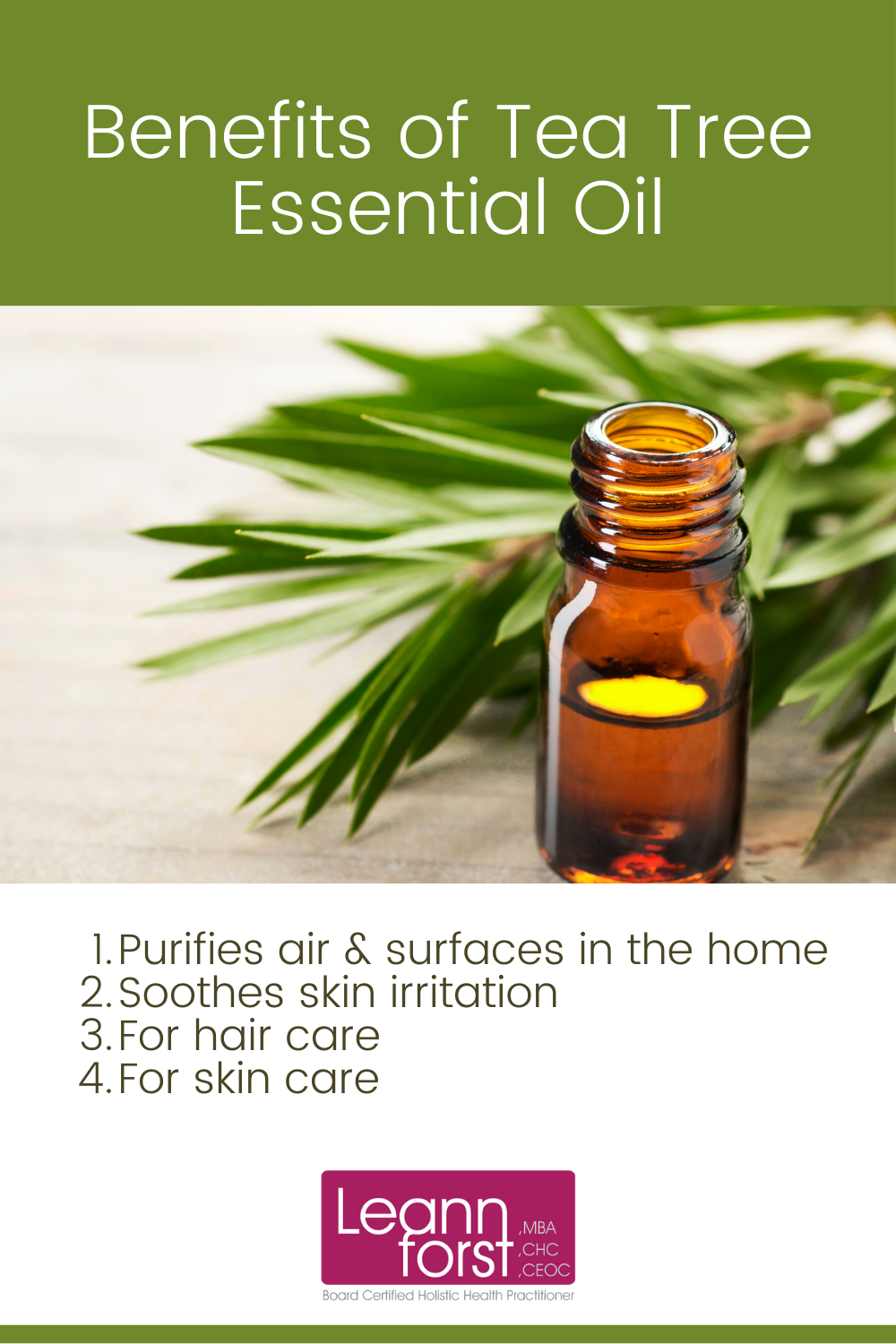
This herbal remedy was originally used medicinally by the Aboriginal Australians many thousand years ago. Since then, its use has expanded globally and you can find tea tree products just about anywhere from your local grocery to the Internet. Psoriasis is an autoimmune condition characterized by outbreaks of red, itchy, scaly skin.
“It can also be very strong for the hair and could lead to damage or breakage if not diluted down.” We'll dive more into the dilution in a bit, but let's first get back to the benefits. If you’ve never used tea tree oil before, start by doing a patch test to make sure you don’t have an allergic reaction. Place a few drops of tea tree oil on a small patch of skin and watch for any signs of irritation for 24 hours. If you don’t have a reaction, you should be fine to use it on a larger area, such as your scalp. Today, tea tree oil is a common ingredient in shampoos and soaps. Its proven antimicrobial properties make it an excellent cleaning agent.
Try a do-it-yourself approach by mixing a small amount of tea tree oil with a carrier oil, like castor oil or coconut oil. Ahmed recommends massaging it into your scalp, which will increase blood flow to the area, and leave it in for a few minutes before washing it out with your favorite shampoo. However, those with certain hair types or skin concerns may want to use a varied approach when using tea tree oil. Your hair grows from your scalp, making it an important part of maintaining healthy hair. “Tea tree oil can help with overall scalp health given its antimicrobial, antifungal, and anti-inflammatory properties,” explains Janiene Luke, M.D., board-certified dermatologist in Loma Linda, CA. The antimicrobial and anti-inflammatory properties of terpinen-4-ol in tea tree oil can help reduce symptoms of redness, irritation, and swelling that occur with eczema.


Comments
Post a Comment